

但对她来说,食疗从来不是“额外的选项”,而是贯穿一生、反复被验证的生活智慧。
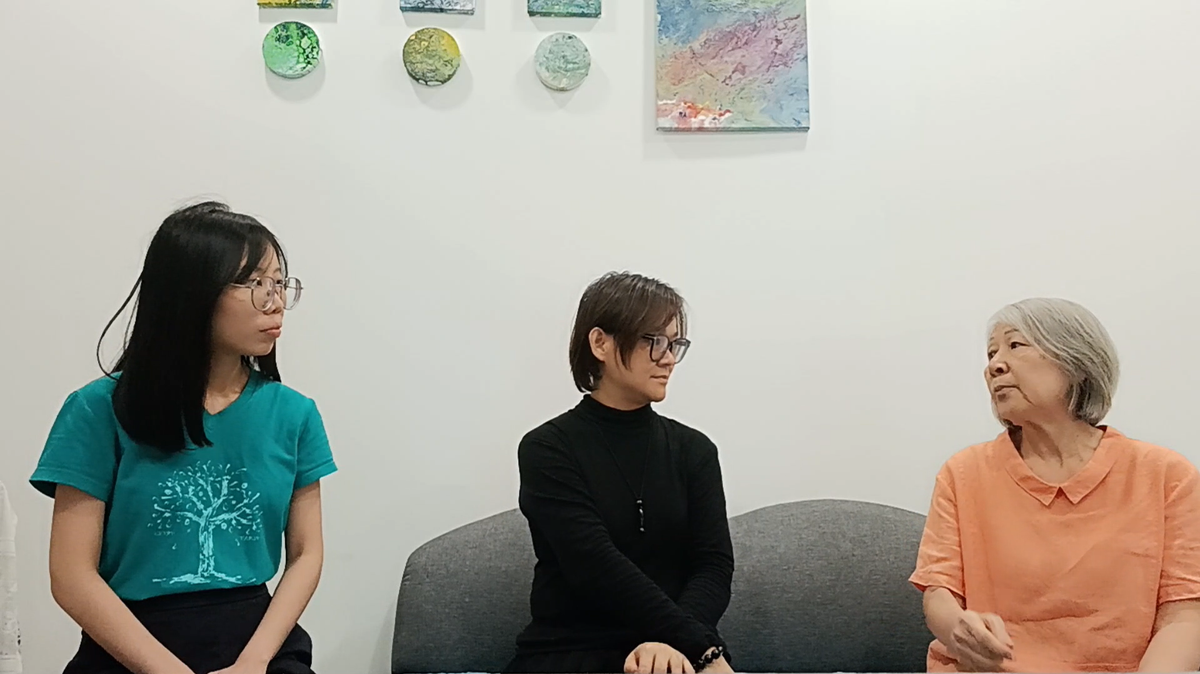
她今年七十岁,是一位行医多年的中医师。
年轻时,她在诊室里见过太多不同的病症。有人依赖药物缓解不适,有人寻求各种疗法调理身体。她一边行医,一边观察,也一边思考——
为什么有些人恢复得快,有些人却反复发作?
为什么同样的治疗方法,在不同人身上效果差异如此明显?
慢慢地,她把目光投向一个最基础、却常被忽略的地方:饮食。
她发现,一个人每天吃进身体里的东西,远比偶尔的一次治疗更有力量。
饮食习惯改变了,身体的状态就改变了;
生活节奏调整了,身体的反应也随之不同。
她开始在生活中实践食疗——不是激烈地改变,而是温和地调整。
一碗热粥,讲究食材的选择与搭配。
一顿家常饭,注重寒热平衡与季节变化。
一杯精力汤,改善体质,养好健康的基础。
她重视日常饮食的平衡,也相信食物本身蕴藏着帮助身体恢复的智慧。
这些年,她没有刻意宣扬什么大道理。
只是用自己的选择和风雨不改的坚持,慢慢影响了身边的人。
家人因为她的饮食观念而改变了餐桌上的习惯;
朋友在与她相处中,开始重新审视自己的生活方式。
有人问她,为什么在众多疗法之中,最终选择长期坚持食疗?
她笑着说,因为食疗最贴近生活。
它不需要高深的技巧,不依赖昂贵的工具。
它就在一日三餐里,在厨房的烟火气中,在我们每天为自己做出的选择里。
食疗不是某种古老的传统,也不是神秘的秘方。
它是一种对生命温柔以待的方式。
当我们愿意用心准备一餐饭,
当我们愿意理解身体发出的讯号,
当我们愿意在忙碌中为自己留一点照顾的空间——
那一刻,疗愈就已经开始了。
Many people believe that food therapy is merely an optional add-on to healthy living — a small bonus when the body is already doing fine.
But to her, food therapy has never been an “extra choice.” It is a lifelong wisdom — tested, practiced, and proven through time.
She is now seventy years old, a traditional Chinese medicine practitioner with decades of clinical experience.
In her younger years, she encountered countless conditions in her clinic. Some patients relied on medication to ease discomfort, while others sought various therapies to restore balance. As she practiced medicine, she also observed and reflected:
Why do some people recover quickly, while others relapse repeatedly?
Why does the same treatment produce very different results in different individuals?
Gradually, her attention turned to something fundamental — yet often overlooked: daily diet.
She realized that what a person consumes every day carries far more influence than an occasional treatment session.
When eating habits change, the body changes.
When lifestyle rhythms shift, the body responds accordingly.
She began practicing food therapy in her own life — not through drastic transformations, but through gentle adjustments.
A bowl of warm porridge, carefully selecting and pairing ingredients.
A simple home-cooked meal, mindful of thermal balance and seasonal changes.
A cup of nourishing vitality soup to strengthen the body’s foundation.
She values balance in daily meals and believes that food itself carries the wisdom to help the body restore its natural state.
Over the years, she has never aggressively promoted grand theories.
Instead, through her own choices and unwavering consistency, she has quietly influenced those around her.
Her family gradually changed their dining habits because of her perspective.
Her friends began rethinking their lifestyles simply through being around her.
Some have asked her why, among so many therapeutic approaches, she ultimately chose to commit to food therapy long-term.
She smiles and says it is because food therapy is closest to everyday life.
It does not require complicated techniques.
It does not depend on expensive tools.
It exists in our three daily meals, in the warmth of the kitchen, and in the choices we make for ourselves each day.
Food therapy is not merely an ancient tradition, nor is it a mysterious secret formula.
It is a gentle way of treating life with care.
When we take the time to prepare a meal with intention,
when we learn to listen to the signals our bodies send,
when we allow ourselves a small space of self-care amidst a busy life—
That is the moment healing quietly begins.


