

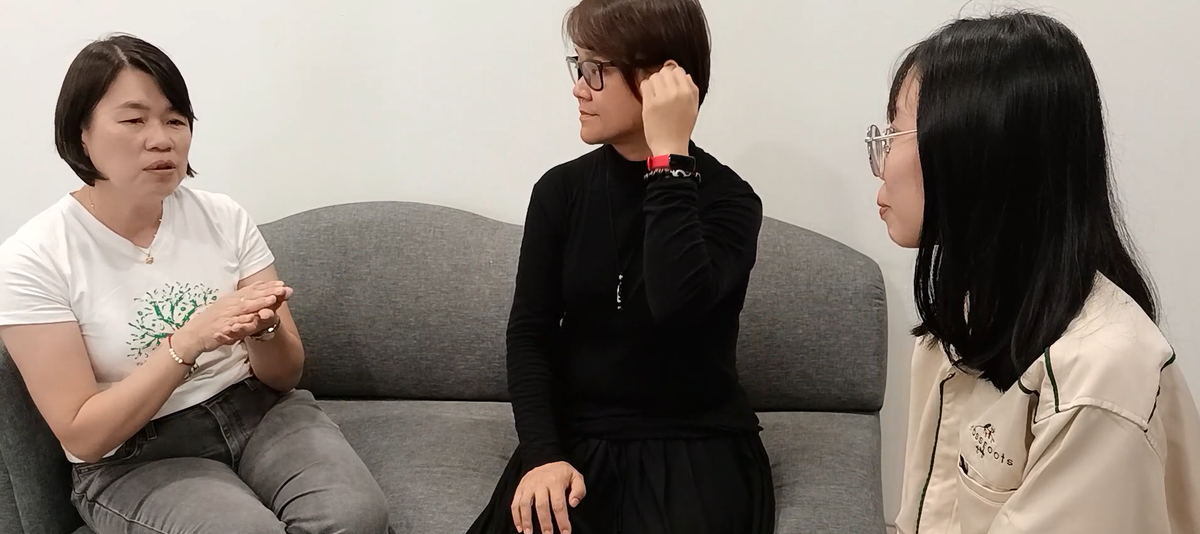
Soh Gee,是因为孩子而认识食疗的。
也因为孩子,她成就了更好的自己。
故事要从 2017 年说起。
为了孩子,她开始寻找不同的可能
孩子被确诊为一型糖尿病后,她的生活几乎围绕着病情打转。
严格的饮食控制、日复一日的胰岛素注射、对血糖波动的担忧——这些成为她生活的日常。
机缘巧合下,她从朋友口中得知,有一个和她孩子情况相似的小孩,通过一个不同的方向去 manage 身体状况,而且效果不错。
那一刻,希望被重新点燃。
第一次见到 Dr. Laney 时,对方对她说了一句话:
“从现在开始,你不要再追事业,把更多心思放在孩子身上,陪伴他。”
那句话,让她停了下来。
迷茫、暂停与挣扎
坦白说,Soh Gee 并不是一开始就完全明白食疗。
她看到孩子的身体有进步,却也清楚知道——病情无法逆转,这是事实。
有一段时间,她陷入深深的无力感:
“食疗已经做得很好了,好像也就这样。”
她甚至中途暂停了一阵子。
那段时间的她,非常迷茫,不知道自己应不应该继续。
2021年的蜕变:从茫然到清晰
2021 年,她再次迎来转折点。
她参加了 Dr. Laney 的心灵食疗课程。
在那里,她终于明白:
原来过去自己是东学一点、西学一点,知识是碎片化的。
而 Dr. Laney 不断学习、不断成长,把复杂的健康原理用最简单的语言讲清楚,让人真正理解身体运作的逻辑。
Soh Gee 从无头苍蝇般的茫然,
走到清楚知道自己能做什么;
从被动接受,
走到主动学习;
从一知半解,
走到可以帮助别人理解。
如今,她不仅照顾好自己的小家庭,也照顾父母,还影响了身边许多人开始实践食疗。
当真正的考验来临
让她最深刻的一次体会,是父亲在今年新年期间同时感染骨痛热症与尿道感染。
当时父亲已是 80 多岁的高龄。
全家人都慌了。
庆幸的是,两年前父亲已经开始食疗生活化。
多年早餐的 Milo 面包,换成高营养的发酵粥。
这为身体打下了基础。
住院三天便出院。
出院后,她陪父亲走路、晒太阳。
身体虚弱时,她以大枣精华与桑葚麦芽饮支持身体。
两个多月后,父亲恢复到原来的状态,能自行运动。
她更深刻理解——
健康不是不生病。
健康是身体有能力面对挑战,并恢复。
食疗,不是修仙
Soh Gee 不是一个完美执行者。
孩子会吃披萨。
她会喝咖啡、吃蛋糕。
不同的是——
她理解身体的需要。
食疗不是极端,不是限制。
它是每天三餐的选择,是时间的规律,是在忙碌中仍然照顾自己的能力。
她常说:
“不会,就学。”
不是100分。
而是持续。
慢慢地,
食疗不再是“方法”,
而是生活的一部分。
健康,是最值得的投资
作为资深财务规划师,她每年回顾家庭财务时发现:
一家人几乎没有医疗支出。
保险也几乎没有索赔记录。
因为她把钱用在身体真正需要的食物与营养上。
有人愿意花十多块喝一杯咖啡,因为享受环境与服务。
她也愿意花钱购买高品质的健康饮品,因为她看到的是细胞的需要,是身体发出的讯号。
她深深明白——
健康的身体是无价的。
有太多时候,再多的钱,也买不回失去的健康。
🌿 结语
Soh Gee 的故事,不是奇迹。
而是选择。
是一个母亲,为了孩子,愿意学习、愿意坚持、愿意改变。
也是一个女人,在陪伴孩子的过程中,重新认识自己、成就更好的自己。
食疗,不是完美主义。
而是日复一日、温柔而坚定的实践。
当我们愿意为健康多走一步,
未来的自己与家人,都会因此受益。
🌿 Health Testimonial | Because of Her Child, She Became a Better Version of Herself — Soh Gee’s Food Therapy Journey
Soh Gee discovered food therapy because of her child.
And because of her child, she became a better version of herself.
Her story began in 2017.
A Mother’s Search for a Different Way
When her child was diagnosed with Type 1 diabetes, her life began revolving around the condition.
Strict dietary control. Daily insulin injections. Constant monitoring of blood sugar levels.
Worry became part of her everyday routine.
By chance, she learned from a friend about another child with a similar condition who was managing well through a different approach.
In that moment, hope was rekindled.
At her first meeting with Dr. Laney, she was told something that deeply impacted her:
“From now on, don’t focus so much on chasing your career.
Put more of your heart into your child. Be present.”
That sentence made her pause — and reflect.
Confusion, Doubt, and a Temporary Pause
Soh Gee admits she did not fully understand food therapy at the beginning.
She saw improvements in her child’s physical condition, yet she also knew that Type 1 diabetes is irreversible. That fact weighed heavily on her.
At times, she felt a deep sense of helplessness.
“We’ve done food therapy well… and maybe this is all it can do.”
There was a period when she paused completely. She felt lost and unsure whether she should continue at all.
2021: From Uncertainty to Clarity
In 2021, another turning point came.
She attended Dr. Laney’s Mind-Body Food Therapy course.
For the first time, everything began to connect.
She realized that previously, she had been learning bits and pieces from different places — fragmented knowledge without a complete framework.
Dr. Laney, who continuously studies and grows, was able to connect these fragments into a coherent understanding of health. Complex principles were explained in simple language, making it possible to truly understand how the body functions and how to support it naturally.
Soh Gee transformed:
From confusion to clarity
From passively receiving to actively learning
From partial understanding to confidently sharing with others
Today, she not only takes care of her own family, but also her parents — and has inspired many people around her to begin practicing food therapy.
When the Real Test Came
Her most profound realization came during this year’s Lunar New Year.
Her father, then in his 80s, was hospitalized with both dengue fever and a urinary tract infection. The entire family was overwhelmed with fear.
Fortunately, two years earlier, her father had already begun incorporating food therapy into his daily life. His long-standing breakfast of Milo and bread had been replaced with nutrient-dense fermented porridge.
Those consistent choices built a strong foundation for his body.
He was discharged after just three days.
After returning home, Soh Gee accompanied him on walks and encouraged sunlight exposure. During his recovery, when his energy was low and resistance weak, she supported him with red date essence and mulberry malt beverages.
Within a little over two months, her father regained his previous strength and was able to walk and exercise independently again.
Through this experience, she deeply understood:
Health does not mean never falling ill.
Health means the body has the capacity to withstand challenges and recover.
A person with a higher level of health may still get sick, but the level of suffering, the speed of recovery, and the body’s healing response are visibly different.
Seeing her family’s health improve strengthened her conviction that choosing food therapy was the right decision.
Food Therapy Is Not Extreme — It Is Practical
Soh Gee often says:
Food therapy is not about extreme practices.
It is about everyday choices — three daily meals, proper timing, and small adjustments that support the body even in a busy life.
Her child still eats pizza, croissants, and occasionally fast food.
She herself enjoys coffee, cake, and afternoon tea.
The difference is awareness.
She teaches her child that fast food is an occasional convenience — not a foundation. She makes intentional choices when selecting ingredients and preparing meals.
She admits she is not perfect.
She is not a master chef.
She simply believes that if you are willing to learn, understand, and practice, you can do it.
“I learn as I go,” she says.
Food therapy gradually became part of life — not a burden, but a rhythm.
Health Is the Most Valuable Investment
As a senior financial planner, Soh Gee carefully reviews her family’s finances each year.
She noticed something striking:
Their medical expenses were nearly zero. Insurance claims were minimal.
Why?
Because she chose to invest in food and nutrition that the body truly needs.
Some people are willing to pay more than ten dollars for a cup of coffee — for the ambiance, the craftsmanship, the service.
She is equally willing to spend on high-quality health-supporting beverages because she sees something deeper:
the body’s signals, the cells’ needs, the quiet restoration of health in herself and those around her.
She understands profoundly:
A healthy body is priceless.
There are many moments in life when no amount of money can buy back lost health.
🌿 Closing Reflection
Soh Gee’s story is not about miracles.
It is about choice.
It is about a mother who was willing to learn, to persist, and to change for the sake of her child.
And in doing so, she rediscovered herself and grew into a stronger, wiser version of who she was.
Food therapy is not about perfection.
It is about consistent, gentle, and intentional practice.
When we choose to take one extra step toward health today,
our future selves — and our loved ones — will benefit from that decision.


